
Procedural Finality: High Court Rules Against the Appealability of Framing Charges under the SC/ST Act
In the case of Lagnesh Verma v. State of H.P. & Others, the High Court of Himachal Pradesh dismissed a criminal appeal, ruling that an order framing charges is an “interlocutory order” and therefore cannot be challenged through a statutory appeal under Section 14A of the Scheduled Castes and the Scheduled Tribes (Prevention of Atrocities) Act, 1989.
The Core Dispute: Is a Charge Appealable?
The appellant sought to challenge an order from a Special Judge that framed charges against him under the Bharatiya Nyaya Sanhita (BNS) and the SC/ST Act. The central legal question was whether such an order qualifies as a “judgment, sentence or order, not being an interlocutory order,” which is the requirement for maintainability under Section 14A of the Act.
The “Bozson Test” and Judicial Reasoning
Justice Jiya Lal Bhardwaj utilized established legal tests and Supreme Court precedents, particularly V.C. Shukla v. State, to define the nature of the order:
- Defining Interlocutory: The Court adopted the “Bozson Test,” which asks: Does the order finally dispose of the rights of the parties?. If it does not, it is interlocutory.
- The “Life” of the Trial: An order framing a charge is considered an “intermediate order” or interlocutory because it merely decides a point essential to the progress of the trial. It keeps the trial “alive” rather than terminating it.
- Contrast with Discharge: The Court noted that while an order of discharge would be a final order (because it ends the proceedings), an order framing charges is the opposite as it necessitates the continuation of the trial until acquittal or conviction.
- Statutory Barrier: Section 14A of the SC/ST Act explicitly excludes interlocutory orders from the right of appeal. Since a charge is neither a “judgment” nor a “sentence,” it falls under the barred category.
Preserving Expeditious Trials
The Court emphasized that the legislative intent behind barring appeals for interlocutory orders is to ensure a “most expeditious trial” and prevent the prolongation of cases through constant appellate interference. The High Court observed that allowing such appeals would work against the “dignity and decorum” of the judicial process.
Conclusion and Alternative Remedies
The High Court held that the appeal was not maintainable and dismissed it. However, the Court clarified that an aggrieved party is not entirely without recourse. While a statutory appeal is prohibited, the defendant may still potentially invoke:
- Revisional jurisdiction (under the BNSS/CrPC).
- Inherent jurisdiction of the High Court (to prevent abuse of process).
- Article 136 of the Constitution (Special Leave to the Supreme Court) in suitable cases.
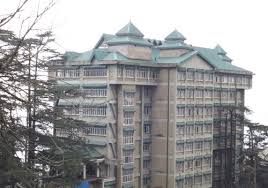
Himachal Pradesh High Court
Lagnesh Verma V. State of H.P & Others (D.O.J 06-02-2026)
STPL (Web) 2026 HP 34
Loading Viewer...