

Statutory Expiration: Mandatory Review Timelines Render Belated Suspension Extensions Legally “Lifeless”
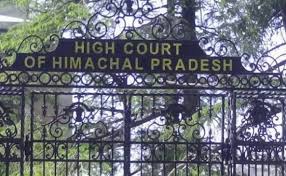
In the judgment of Pawan Kumar v. State of Himachal Pradesh, the High Court of Himachal Pradesh quashed the continued suspension of an Assistant Professor, ruling that a suspension order automatically loses its legal validity if not reviewed and extended within the mandatory 90-day period prescribed by law. The Court emphasized that subsequent review orders passed after this “statutory vacuum” has occurred cannot breathe life back into an order that has already expired.
The Procedural Timeline
The petitioner, an Assistant Professor of Dance (Kathak), was placed under suspension on August 31, 2024, pending disciplinary proceedings following complaints from students.
- The 90-Day Deadline: Under Rule 10(6) and (7) of the CCS (CCA) Rules, 1965, the suspension was required to be reviewed and extended on or before November 28, 2024.
- The Administrative Delay: The Disciplinary Authority failed to conduct a review by the deadline. The first review order was not issued until January 18, 2025, more than 50 days after the initial suspension had technically expired.
- Subsequent Extensions: Following the late January order, the state issued several subsequent extensions intended to keep the petitioner under suspension through February 2026.
The Legal Conflict: Rule 10(6) and 10(7)
The Court’s decision centered on a literal and mandatory interpretation of the CCS (CCA) Rules, 1965:
- Mandatory Language: Rule 10(7) explicitly states that a suspension order “shall not be valid” after 90 days unless it is extended before that period expires.
- No “Revival” Possible: The Court rejected the State’s argument that the later review orders (starting in January 2025) cured the initial delay. Citing the Supreme Court precedent in Union of India v. Dipak Mali, the Court held that once an order becomes invalid due to the lapse of time, subsequent administrative actions cannot revive it.
- Acquiescence is Irrelevant: The State argued that the petitioner had “accepted” the subsequent review orders without protest. However, the Court ruled that legal validity is a matter of strict rule compliance; the mere silence of an employee cannot make an invalid order valid.
The Court’s Conclusion
Justice Sandeep Sharma concluded that the inaction of the Disciplinary Authority rendered the petitioner’s continued suspension illegal. The Court issued the following directives:
- Quashing of Orders: The initial suspension and all subsequent extension orders were set aside.
- Retrospective Reinstatement: The respondents were ordered to reinstate the petitioner with effect from November 29, 2024—the day the original suspension first became invalid.
Regulation of Benefits: The period from the date of invalidity onwards is to be regulated according to the prevailing service rules regarding pay and benefits.
Himachal Pradesh High Court
Pawan Kumar V. State of Himachal Pradesh and Others: STPL (Web) 2026 HP 20
Loading Viewer...