
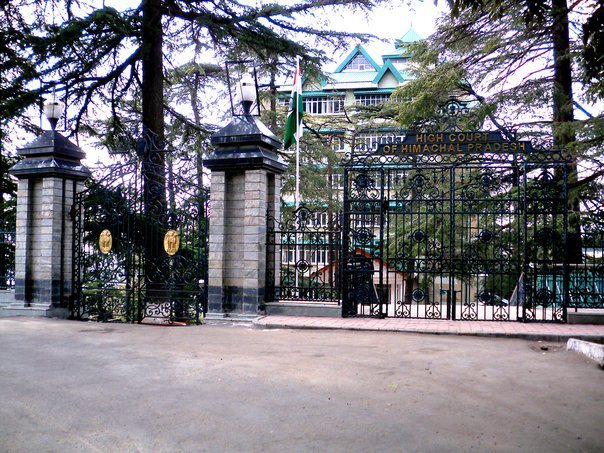
In the case of Nikhil v. M/s Shourya Industries, the High Court of Himachal Pradesh upheld a trial court’s decision to allow the amendment of a legal pleading (plaint) to correct a typographical error regarding property details.
The Clerical Error and Correction
The respondent (plaintiff) had originally filed a suit for a permanent and mandatory injunction in October 2025, describing the property as Khasra No. 1013/346/176 with an area of 00-16-00 bighas. Within the same month, before the defendants filed their written statement, the plaintiff sought to amend the Khasra number to 1018/346/176 (with an area of 02-19-00 bighas), asserting that the original entry was a clerical mistake.
Key Legal Principles Applied
The High Court emphasized several critical points regarding the amendment of pleadings under Order VI, Rule 17 of the CPC:
- The “Nascent Stage” Principle: The Court held that a lenient view is appropriate when litigation is at its initial stage. Because the written statement had not yet been filed and the trial had not commenced, the strict statutory requirement for the party to prove “due diligence” did not apply.
- Identification vs. Nature of Suit: The amendment was strictly limited to correcting the identification details (the Khasra number) of the suit property. The Court determined that this change did not alter the cause of action or the fundamental nature of the suit, which remained a request for an injunction.
- Lack of Prejudice: The Court noted that allowing the amendment caused no prejudice to the defendants, as they still maintained the right to respond to the corrected details in their upcoming written statement.
- Determining the Real Controversy: Under Rule 17, amendments should be permitted at any stage if they are necessary for determining the “real questions in controversy” between the parties. Correcting the Khasra number was seen as essential to ensure the litigation focused on the correct piece of land.
Conclusion
Finding no perversity or infirmity in the trial court’s order, the High Court dismissed the petition, affirming that correcting inadvertent typographical errors in property descriptions is permissible—and often necessary—at the start of a legal proceeding to prevent future jurisdictional or identification conflicts.
Himachal Pradesh High Court
Nikhil v. M/s Shourya Industries and another: STPL (Web) 2026 HP 14
Loading Viewer...