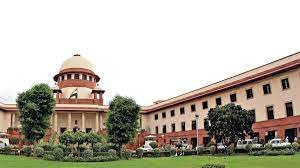

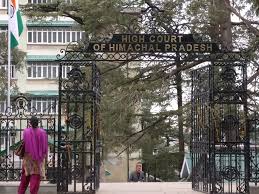
In the case of Surinder Sharma vs. Parveen Kalia & Another (2026), the High Court of Himachal Pradesh quashed a defamation complaint against a shopkeeper and a journalist, ruling that reporting on police proceedings and making good-faith complaints to authorities does not constitute defamation.
Case Background
The dispute involved priests from the Mata Chintpurni Shrine who filed a joint criminal complaint for defamation (Sections 500 and 120-B of the IPC) against a business rival (Rajesh Kalia) and a news reporter (Surinder Sharma). The priests alleged that Kalia had filed false police reports against them and that Sharma had published these “baseless” allegations in a newspaper, damaging their reputation.
Key Legal Findings
- Maintainability of Joint Complaints: The Court clarified that a joint complaint filed by multiple people is legally maintainable under Section 200 of the CrPC if they share the same cause of action. This is because, under Section 13 of the General Clauses Act, the word “complainant” in the singular includes the plural.
- Jurisdiction and Inquiry: The petitioner argued that a mandatory inquiry under Section 202 of the CrPC was required because the accused resided outside the Magistrate’s sub-division. The Court rejected this, holding that since both the court and the accused were within the same district, the Magistrate’s jurisdiction applied, and a special inquiry was unnecessary.
- Protection for Police Complaints: The Court ruled that accusations made in good faith to a lawful authority (such as the police) for the protection of interests are protected under Exceptions 8 and 9 of Section 499 of the IPC. Consequently, filing a police report is not a defamatory act.
- Journalistic Freedom and the FIR: The Court emphasized that faithful reporting of the contents of an FIR or a registered crime is an exercise of the freedom of speech and the press guaranteed under Article 19(1)(a) of the Constitution. The public has a right to know about events in the public domain, and reporting factually correct information—even if it causes “discomfort” to the subjects—cannot be termed defamatory.
- Quashing of Proceedings: Applying the principles from State of Haryana v. Bhajan Lal, the Court found that the allegations, even if taken at face value, did not disclose a prima facie offence of defamation.
Conclusion
The High Court allowed the petitions and quashed the complaint and the subsequent summoning orders. It held that allowing the trial to continue would be an abuse of the process of the court, as both the initial police complaint and the newspaper’s reporting were legally protected actions.
STPL (Web) 2026 HP 228
Surinder Sharma V. Parveen Kalia & Another (D.O. J. 12.05.2026)
Loading Viewer...