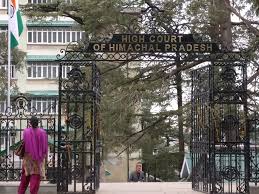


In Rekha Karol &Ors. vs. Lachhmi Devi &Ors., the High Court of Himachal Pradesh dismissed a second appeal, ruling that the jurisdiction under Section 100 of the CPC is strictly limited to substantial questions of law and does not allow for the re-appreciation of facts unless the lower court’s findings are “perverse”. The Court established that revenue entries are primarily fiscal in nature and do not generate or extinguish title; therefore, if an entry is changed without following mandatory procedures—such as recording a rapatroznamcha or notifying affected parties—its presumption of correctness stands rebutted. Furthermore, the Court affirmed that official reports by a Patwari or Kanugo are admissible public documents under Section 35 of the Evidence Act and can be used to corroborate long-standing physical possession.
- Factual Conflict: Tenancy vs. Oral Sale
The dispute involved a claim by the plaintiff (Lachhmi Devi) that she was inducted as a tenant in 1962-63 and subsequently became an owner by operation of the H.P. Tenancy and Land Reforms Act. Conversely, the defendants (predecessors of Vidya Parkash) argued that they had purchased the land through an oral sale in 1963 and had remained in possession ever since, supported by historical revenue entries.
- Procedural Integrity of Revenue Records
The High Court emphasized that for a change in revenue entries (KhasraGirdwari) to be valid, the prescribed legal procedure must be strictly followed. In this case:
- Lack of Documentation: No rapatroznamcha (diary entry) or supporting affidavits were found to justify the shift in possession records to Vidya Parkash.
- Failure of Notice: There was no evidence that the original owners or tenants were notified of the changes, rendering the updated entries null and void.
- Presumption Rebutted: Because the entries were changed unauthorizedly, the legal presumption of truth typically attached to the latest revenue records was successfully rebutted.
- Admissibility of Official Evidence
The Court addressed several evidentiary challenges regarding the materials used by the First Appellate Court:
- Public Records: Reports from the Patwari and Field Kanugo were deemed inherently relevant and admissible under Section 35 of the Indian Evidence Act as they were made in the regular discharge of official duties.
- Admissions: An affidavit from a co-owner (Defendant No. 5) admitting the plaintiff’s tenancy was treated as substantive judicial evidence. The Court ruled that such admissions are the “best proof” of the facts admitted and do not require cross-examination to be read against the party making them.
- Commissioner Reports: A report from a Local Commissioner appointed in prior related proceedings was also found admissible to help the Court appreciate the history of physical cultivation on the suit land.
- Limits of Second Appeal Jurisdiction
The Court reiterated that the High Court is not a “third trial on facts”.
- Finality of Fact: The First Appellate Court is the final court of fact, and its conclusions—even if seemingly erroneous—cannot be disturbed in a second appeal unless they outrageously defy logic or ignore material evidence.
- Finding on Perversity: Since the First Appellate Court’s findings were supported by evidence regarding the lack of a proven oral sale and the plaintiff’s documented possession, there was no perversity requiring judicial interference.
Final Outcome
Finding that the defendants failed to prove a valid legal title or procedural compliance for their revenue entries, the High Court upheld the decree in favor of the plaintiff. The second appeal was dismissed, and the findings of the First Appellate Court were sustained.
STPL (Web) 2026 HP 340
Rekha Karol &Ors. V. Lachhmi Devi &Ors. (D.O.J. 22.06.2026)
Loading Viewer...