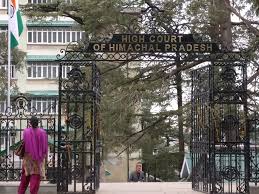


In the case of Ram Lal vs. Ankit Bajaj, the High Court of Himachal Pradesh addressed whether the legal representatives (LRs) of a deceased complainant can continue a criminal prosecution for a dishonored cheque under Section 138 of the Negotiable Instruments Act, 1881.
- Background and Dispute
The original complainant, Ram Chand, filed a complaint against the petitioner (accused) after a cheque for Rs. 1,50,000 was dishonored due to insufficient funds. After Ram Chand passed away during the proceedings, his legal heirs sought to be impleaded to continue the case. The accused challenged this, arguing that because the complaint was filed by Ram Chand in his capacity as a Managing Director of a private company, only other company directors—not personal legal heirs—could legally pursue the matter.
- Legal Status of Complaints Upon Death
The Court clarified that the death of a complainant does not automatically terminate or abate a criminal complaint in a summons trial. Key legal findings included:
- Magistrate’s Discretion: Under Section 302 of the Cr.P.C., a Magistrate is fully competent to permit any person, including legal heirs, to conduct and continue the prosecution.
- Mitigation of Rigour: While Section 256 of the Cr.P.C. generally allows for the acquittal of an accused if a complainant fails to appear, the proviso to that section gives the court discretion to proceed, especially in the event of the complainant’s death.
- Personal vs. Corporate Capacity
A central issue was whether the debt was owed to the individual or the corporation. The High Court found:
- Evidence of the Instrument: Upon perusing the cheque, the Court noted it was issued in the name of “Ram Chand Ankit Hire Purchase” rather than the exclusive name of the corporate entity.
- Description in Cause Title: The Court ruled that adding a corporate designation or description (like “Managing Director”) to a name in the legal title does not override the character of the underlying financial instrument. Since the cheque was issued to the individual, his personal legal heirs possessed the standing to prosecute the case.
- Judicial Precedent and Outcome
Relying on Supreme Court precedents such as Chand Devi Daga vs. Manju K. Humatani, the Court reaffirmed that the law does not intend for a complaint to be rejected simply because of a complainant’s death, particularly when the Magistrate has authorized a relative to act.
The High Court dismissed the petition, upholding the lower court’s decision to allow the legal heirs to proceed with the trial.
STPL (Web) 2026 HP 242
Ram Lal V. Ankit Bajaj (D.O.J. 19.05.2026)
Loading Viewer...